

September 24, 2024
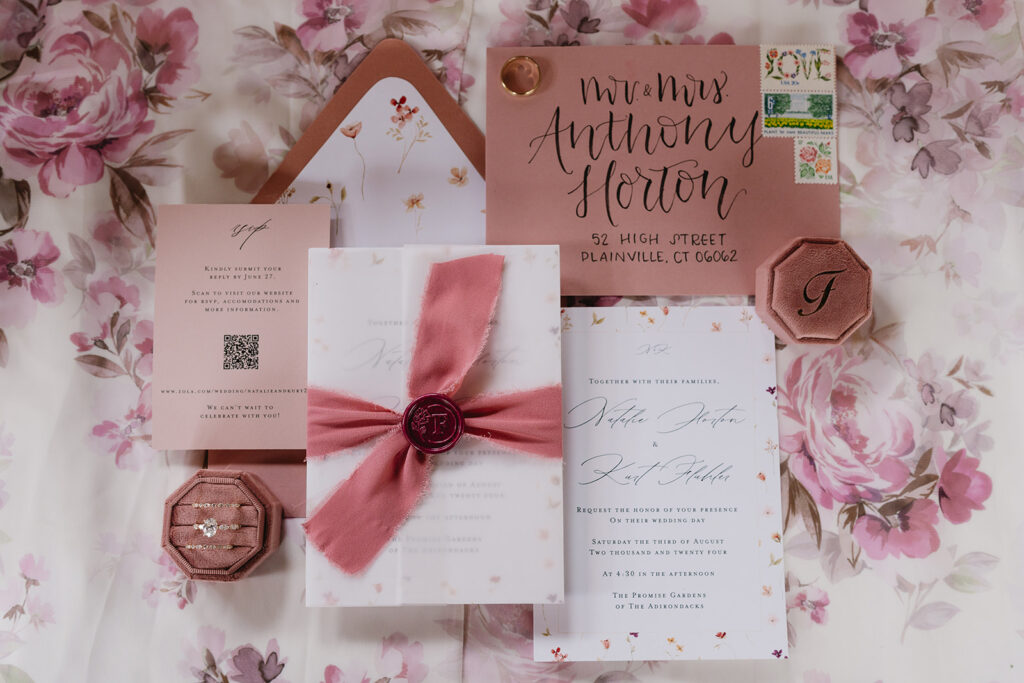
When deciding on plus-ones for your wedding invitations, it’s all about finding a balance between tradition and what works best for your day. Whether you’re extending plus-one invites to married, engaged, or cohabiting guests, or offering your bridal party the option to bring someone, keep your budget and venue space in mind. There’s no need to feel obligated to reciprocate plus-one invites from other events—this is your day, and you set the rules! For newer relationships, it’s completely your call whether to include a plus-one. Just be sure to clearly indicate it on the invitation, as knowing how to address plus ones on a wedding invitation ensures clarity and avoids confusion. And, since guests may request a plus-one even if not offered, it’s a good idea to have a polite, prepared response.
Plus-Ones for Married, Engaged, or Cohabiting Guests
For guests who are married, engaged, or living together, it’s customary to extend the invitation to include their partner. This stems from a tradition of acknowledging long-term, committed relationships. Even if you haven’t met the partner, it’s considered good etiquette to offer a plus-one, ensuring your guest feels comfortable bringing their significant other to your special day.
Members of the Bridal Party Should Always Have the Option to Bring a Guest
It’s a kind gesture to offer all members of your bridal party the option to bring a plus-one, regardless of their relationship status. Being part of a wedding requires a lot of time and commitment, and allowing them to bring a guest shows your appreciation for their role. Having a companion can also make them feel more at ease and supported, especially during times when they’re not actively involved in bridal party duties.
No Need to Reciprocate Plus-One Invitations from Other Events
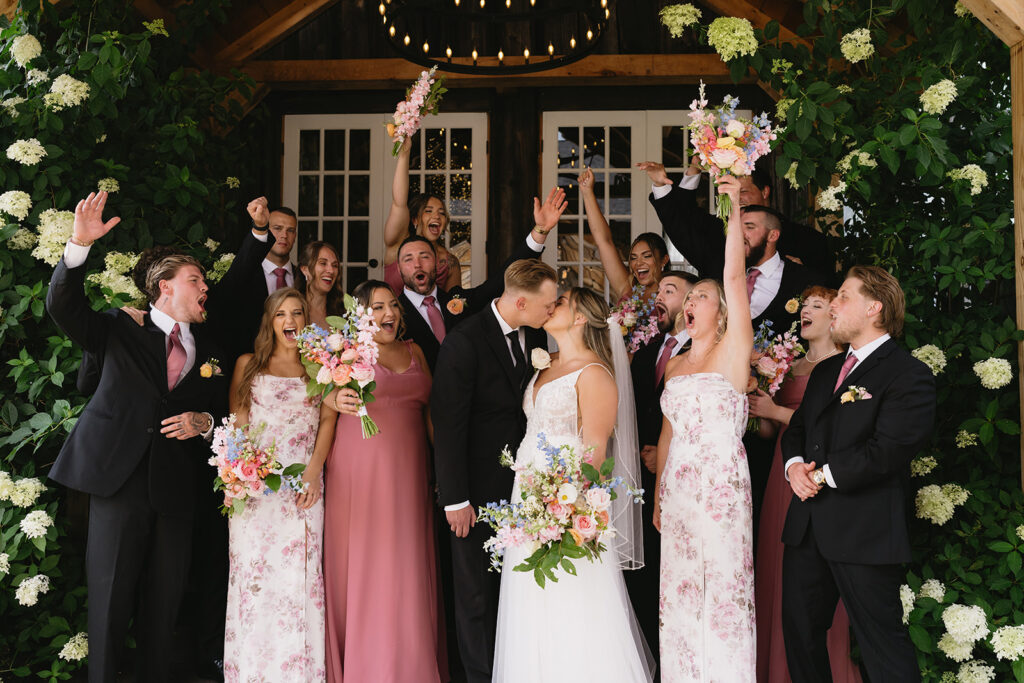
You’re not obligated to offer a plus-one to every guest just because you were invited with one to their event. Each wedding is different, with guest lists shaped by factors like budget, venue size, and personal preferences. Rather than feeling pressured to return the favor, focus on what works best for your celebration. Guests should understand that every wedding is unique, and your decisions around plus-ones are based on what makes sense for your day.
Clearly Specify If a Plus-One Is Included
To avoid any confusion, make sure it’s clear whether a plus-one is included right from the envelope. Addressing both names on the outer envelope or adding “and guest” after the primary guest’s name sets expectations from the start. You can also reinforce this on the RSVP card, either by naming the guest or simply stating “plus-one.” Clear communication helps ensure everyone knows what to expect.
Consider Your Budget and Venue Capacity for Plus-One Allowances
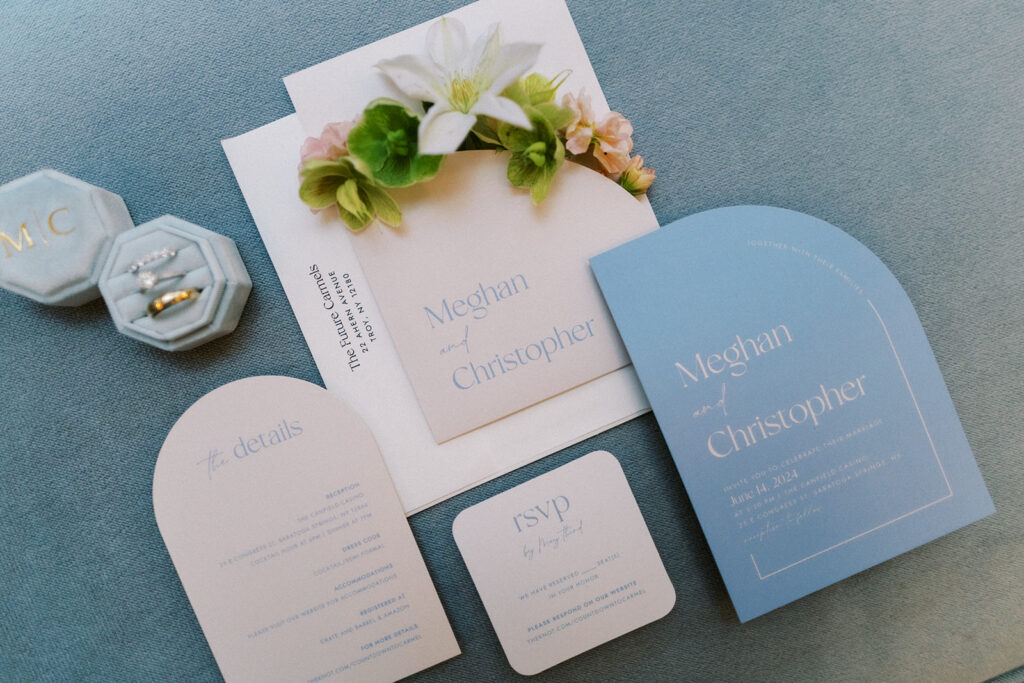
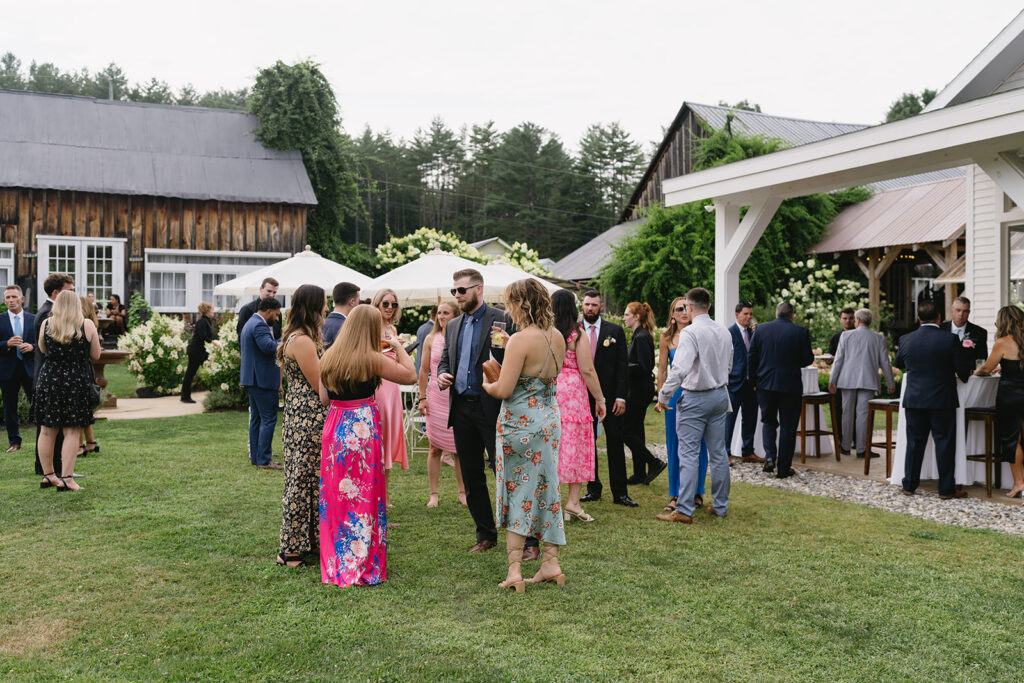
When deciding on plus-ones, it’s important to take both your budget and venue capacity into account. Allowing too many plus-ones can quickly increase your guest count, driving up seating and catering costs. Review your guest list and determine where it’s feasible to offer a plus-one without going over your limits. Knowing how to address plus ones on a wedding invitation can help communicate your decision clearly to guests. Setting boundaries based on practical considerations is completely acceptable, and most guests will understand that space and cost influence your decision. Striking a balance between etiquette and logistics ensures your wedding is both enjoyable and manageable.
Offering Plus-Ones for Short-Term Relationships: A Personal Choice
When it comes to guests in short-term relationships (such as a year or less), offering a plus-one is entirely your choice. Some couples may feel established after a year, while others might still be new to navigating larger social gatherings together. Consider your relationship with the guest and the nature of their partnership. If space or budget is limited, it’s perfectly fine to reserve plus-ones for longer-term or more serious relationships.

Anticipate Guests Asking for Plus-Ones and Plan Your Response
It’s not uncommon for guests to ask about bringing a plus-one, even if it wasn’t included on their invitation—especially single guests or those who may not know many others at the wedding. Prepare a kind and thoughtful response in advance, explaining the reasoning behind your decision, such as budget limitations or venue capacity. Knowing how to address plus ones on a wedding invitation ahead of time can also help prevent confusion and set clear expectations. Emphasize that you truly value their presence and, if appropriate, suggest alternatives like introducing them to other guests. By handling these conversations with warmth and clarity, you can ensure your guests feel respected, regardless of the final decision.
Lastly, here are some tips on how to format the invitations:
Formal Invitations:
- Married couples: “Mr. and Mrs. John Smith”
- Engaged couples: “Ms. Jane Doe and Mr. John Smith”
- Single guests with a plus-one: “Ms. Sarah Johnson and Guest”
Informal Invitations:
- First names: “Sarah and Guest” or simply “Sarah +1”
Special Situations:
- Children: Decide whether children will be included in the plus-one count or listed separately. Clarify this on the invitation if necessary.
- Unexpected Guests: If someone arrives with an uninvited plus-one, stay calm and prepared. Have a polite, pre-planned response ready, explaining the seating or capacity limits in a gracious way. This is also something your wedding planner can handle for you! Check out this article on 10 reasons why you should hire a wedding planner.

Have you subscribed to our monthly newsletter yet? Click HERE to join the fun!


